Prints by Jesse Farber
Unheimlich
27.2.2026
Where is the uncanny today? Psychoanalysis is often accused of imposing a transhistorical conceptual apparatus on whatever it encounters. But the uncanny suggests the opposite: psychoanalysis is deeply invested in historicity, even if it approaches it in an untimely manner.
In Freud, the uncanny (das Unheimliche) seems bound to the particular logic of logic of repression. His famous definition—“that which should have remained hidden has come to light”—depends on the force of the should: an injunction, a moral , a prohibition that structures what counts as “hidden” in the first place. But the contemporary scene complicates this model. Repression seems, at least on the surface, to be lifted. We inhabit a culture of disclosure, confession, exposure; populist leaders pride themselves on “saying it like it is,” while irony and literalism blur into each other so persistently that it becomes difficult to locate any stable domain of the repressed. Yet the uncanny has not disappeared— but rather wormed or migrated itself into different forms.
One symptom of this migration is the new, visceral uncanny of AI-generated imagery: not the return of a buried secret, but the production of a reality-effect that is too smooth and therefore nauseatingly unstable. The famous AI video Trump shared in February 2025—imagining a gilded, Dubai-like “Trump Gaza,” complete with glossy bodies, luxury spectacle, and the worship-image of political power—functions like a dream without possibility of analysis: an oneiric surface presented as “vision,” a hallucinated publicity shot offered as policy, where the obscene and the banal become indistinguishable, as “unstable irony”, “machinic disawoval”[i]. The formal place of the big Other within which Freud’s uncanny erupted is itself dwindling, and this “fosters the particularization of bubbles and detached communities, processes of monadization, the severance of communal space.”[ii]
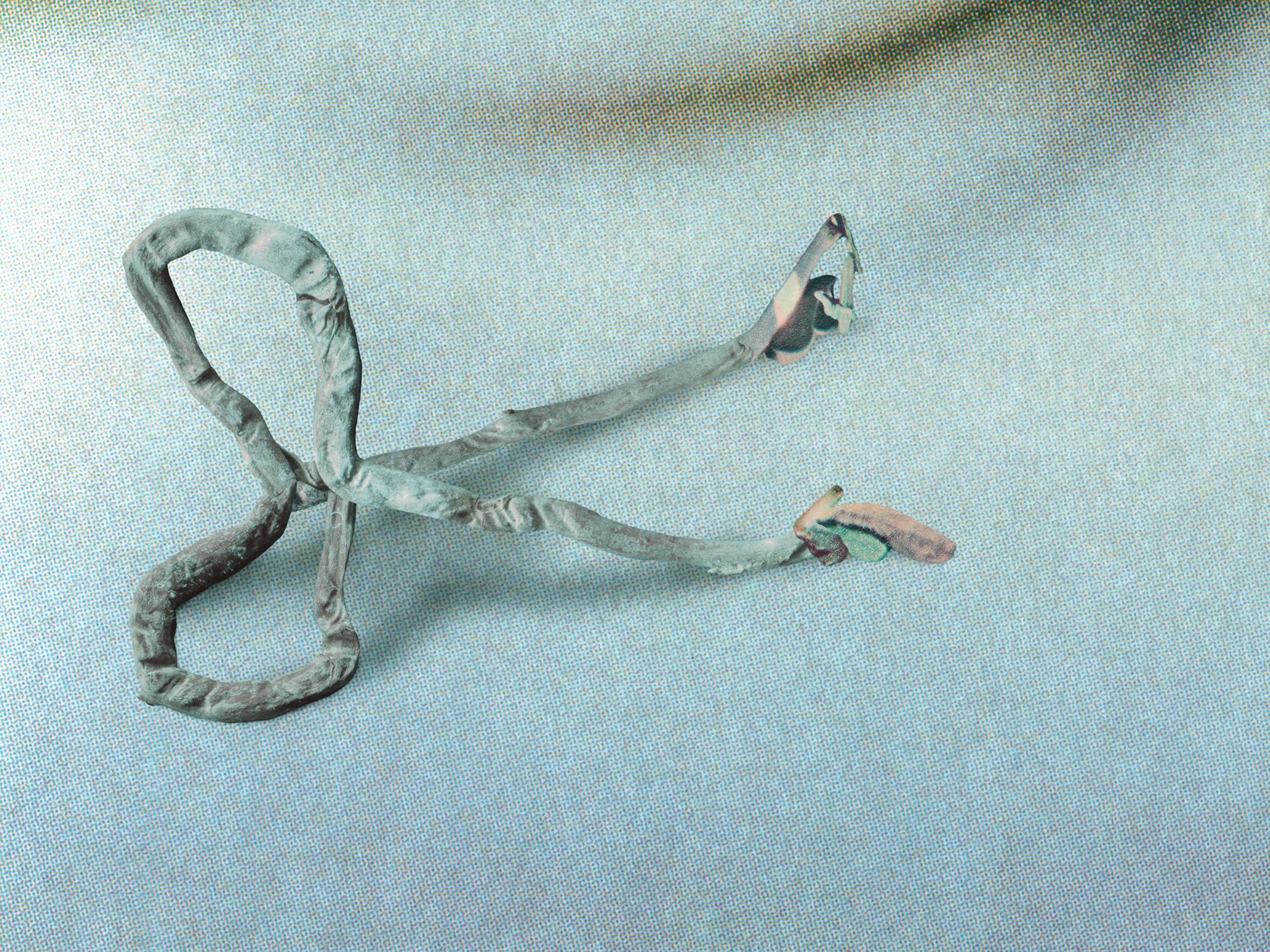
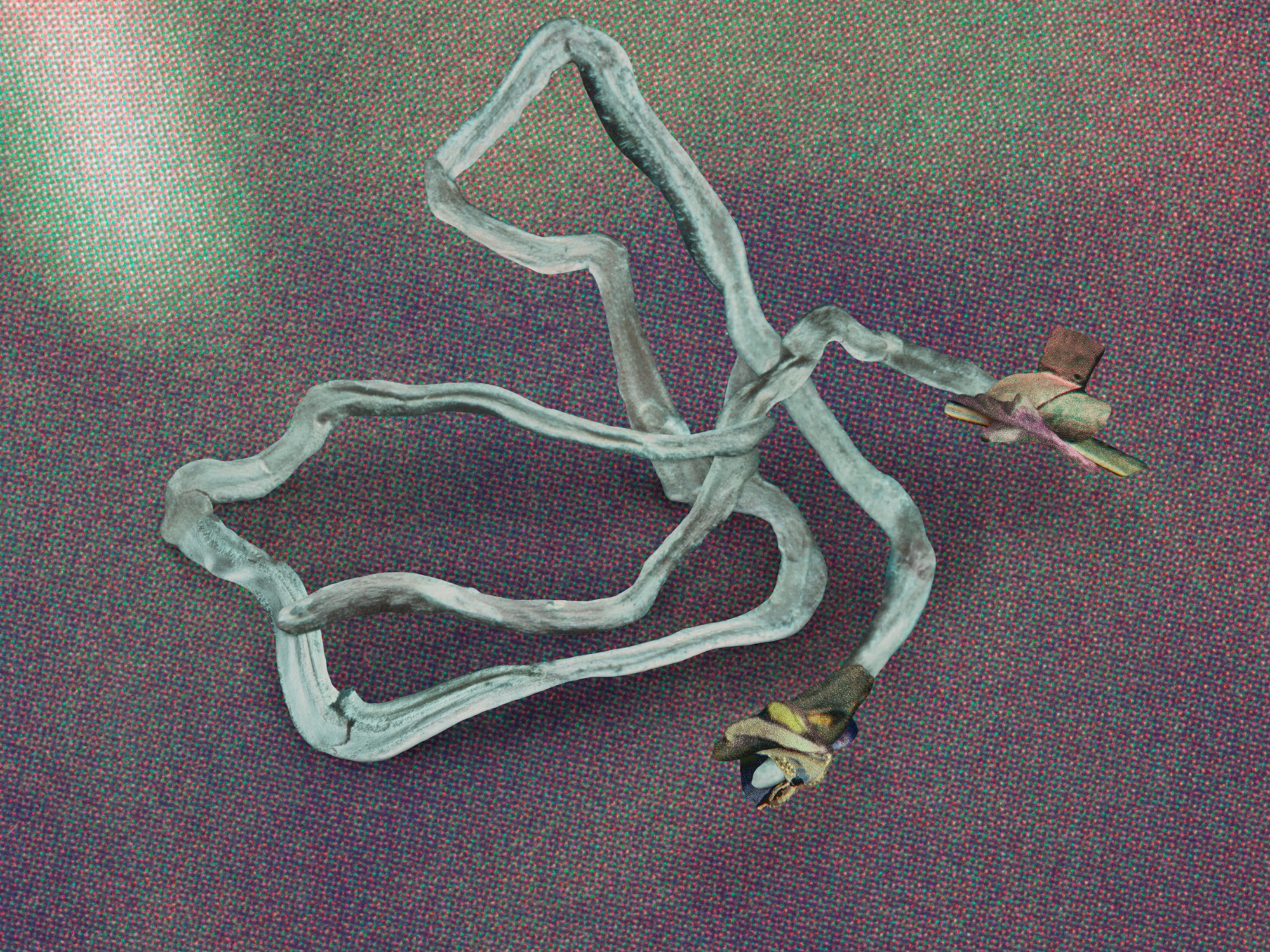
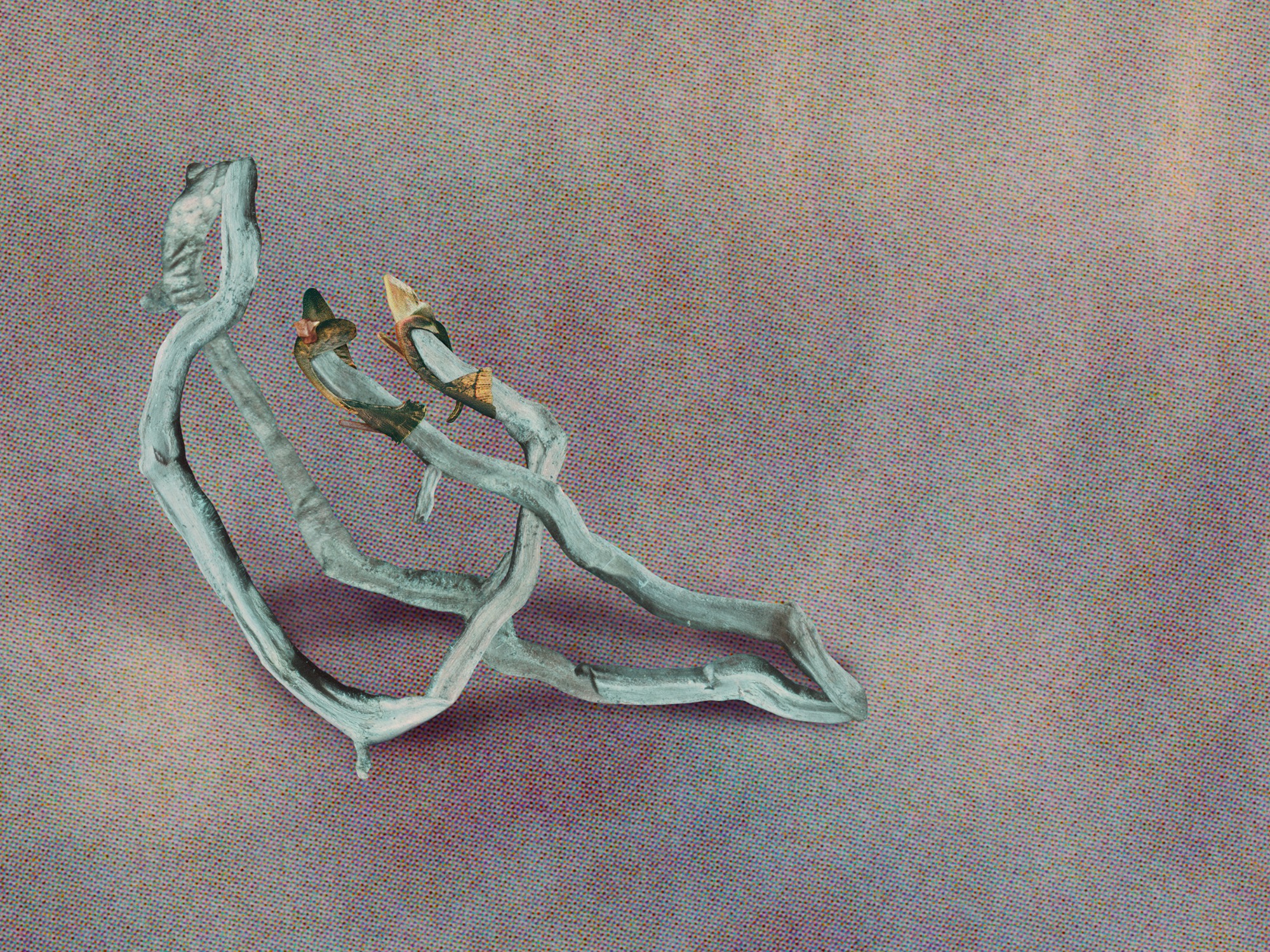
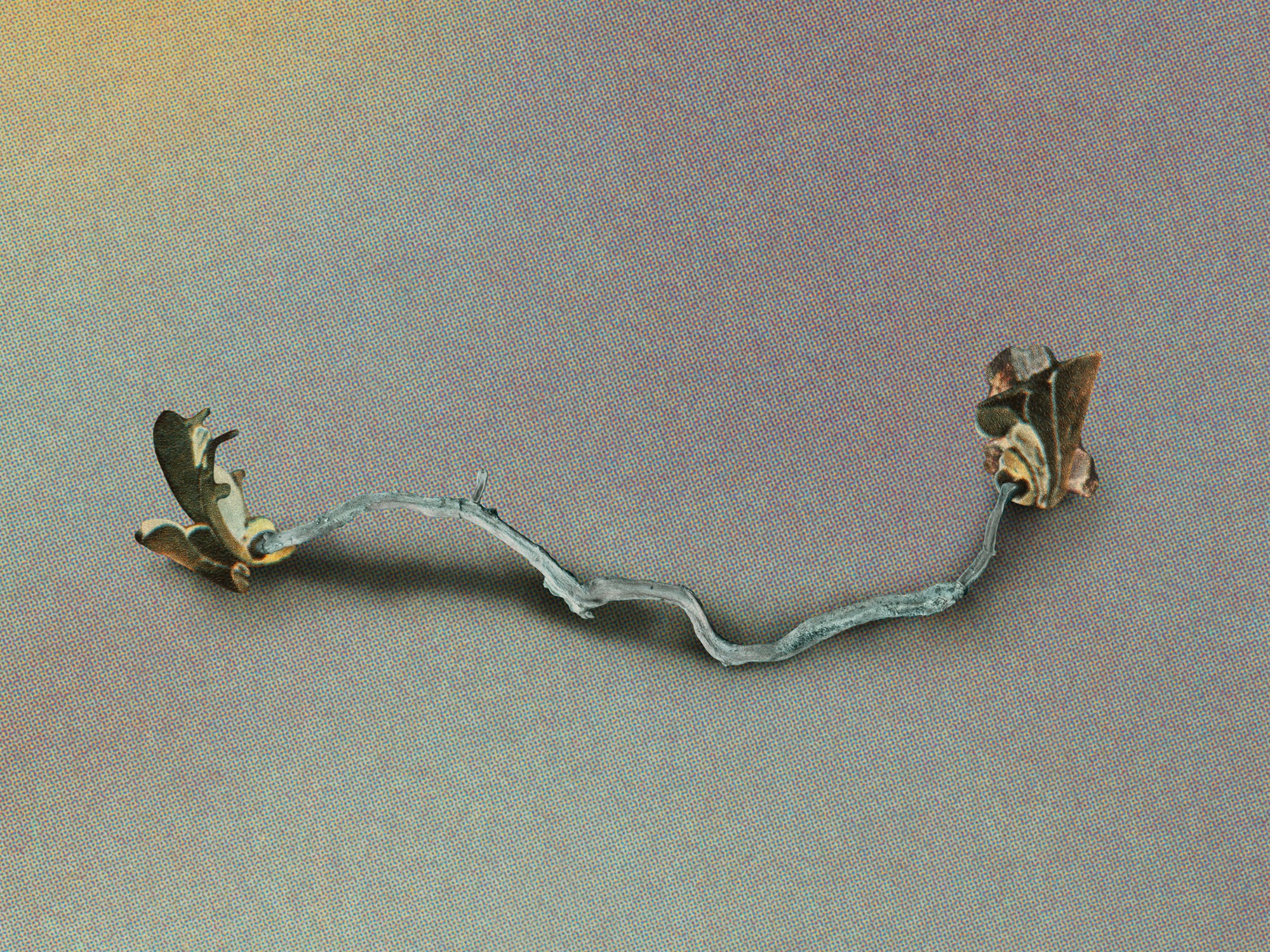
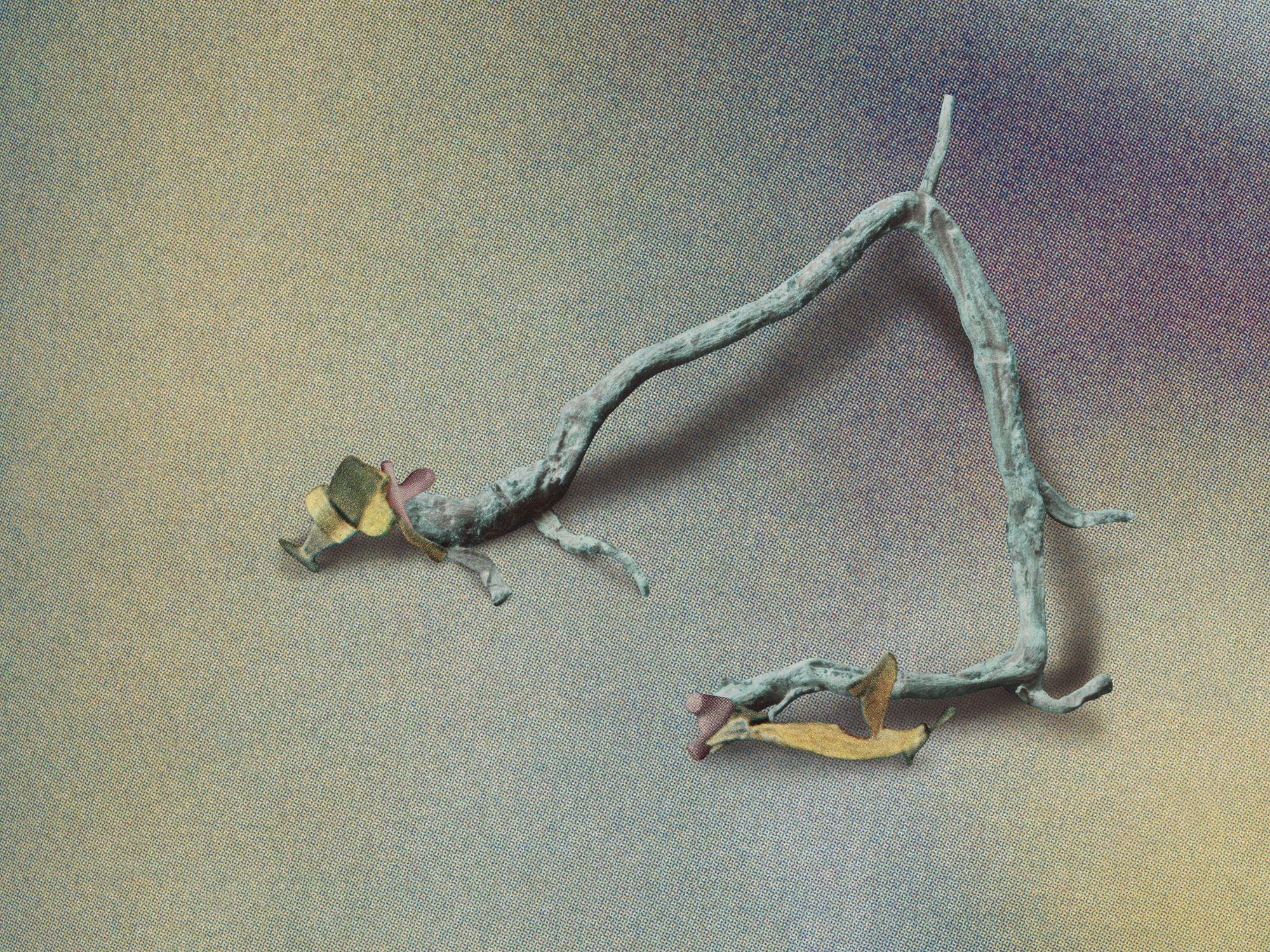
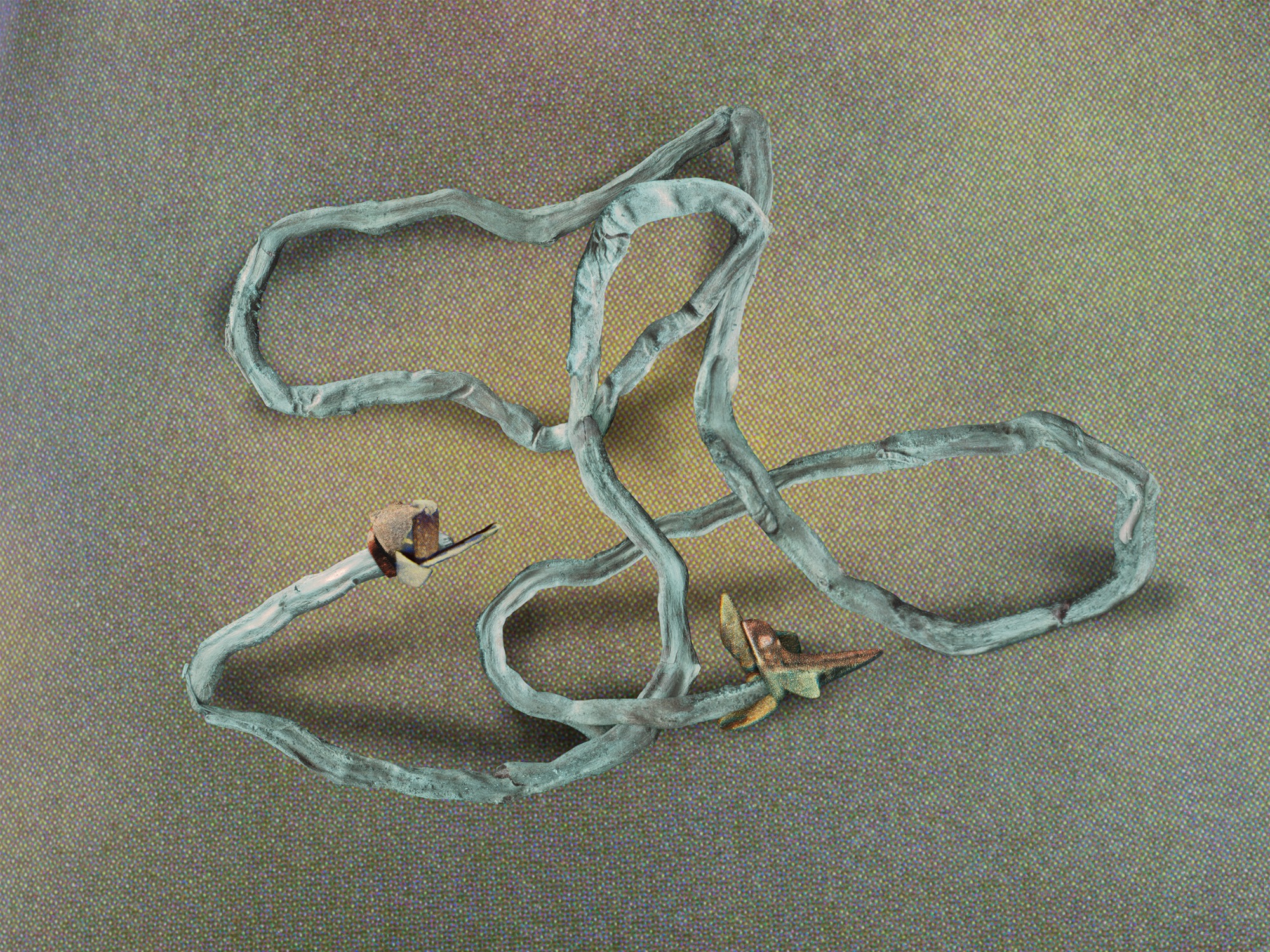
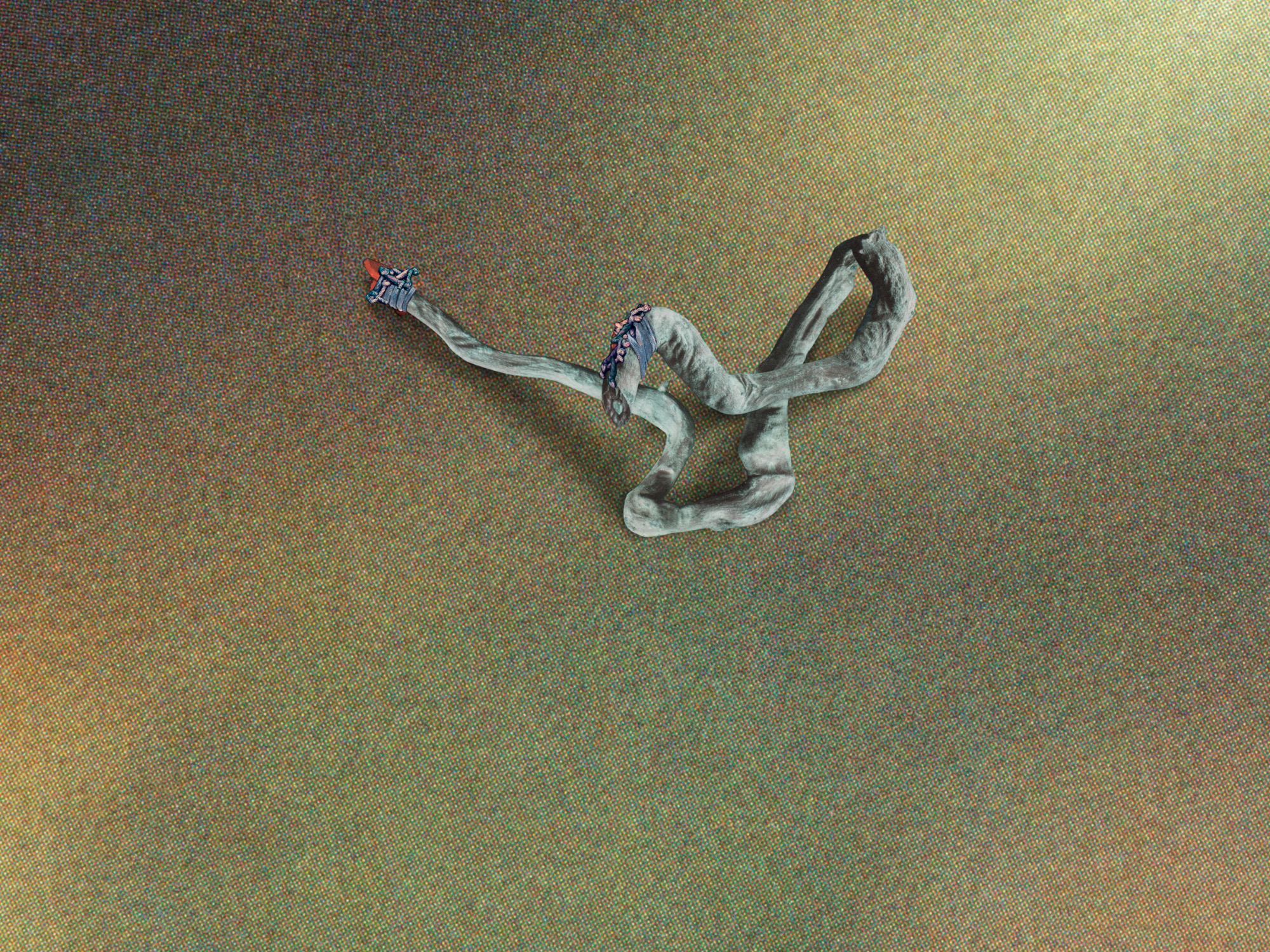
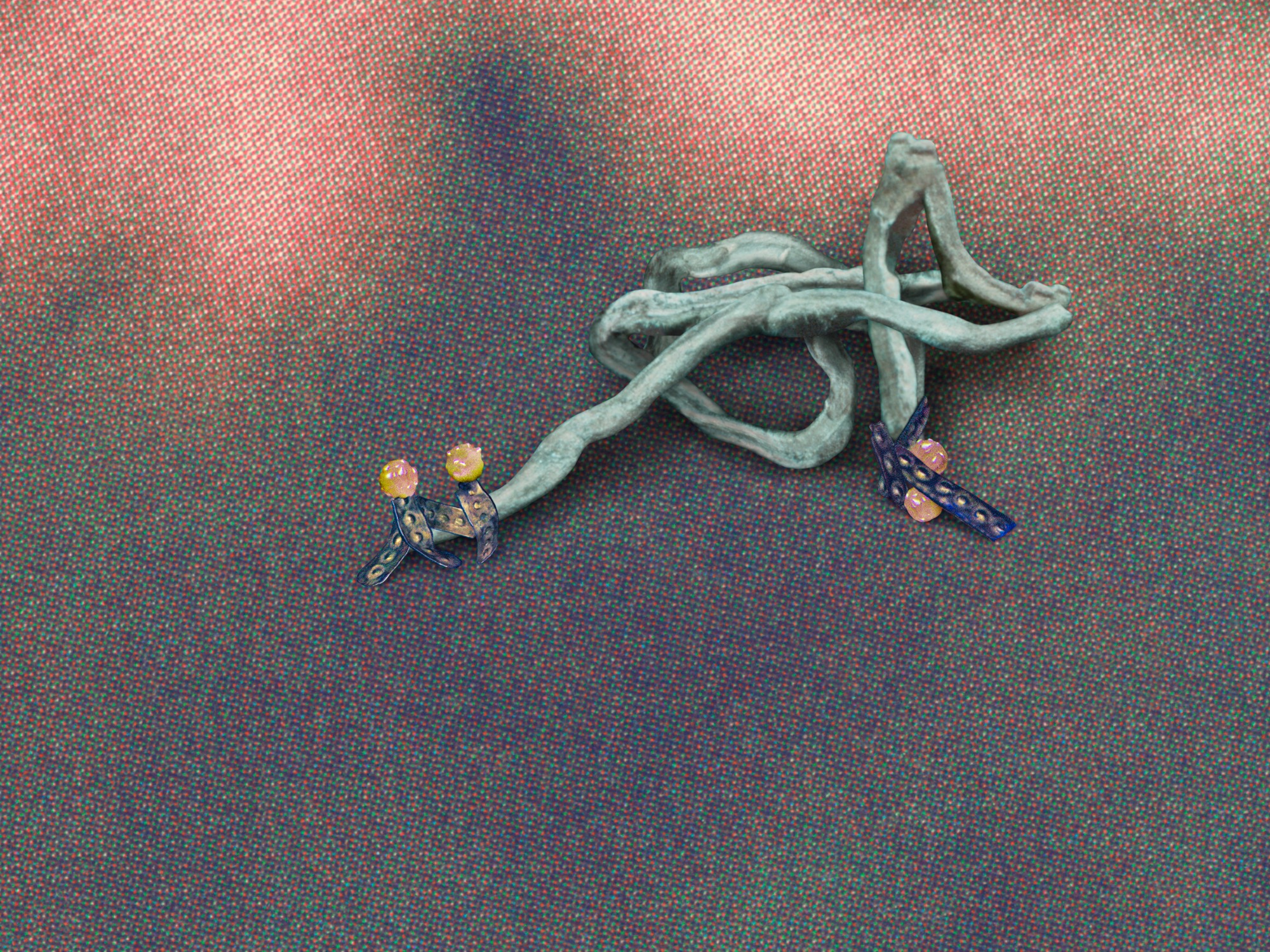
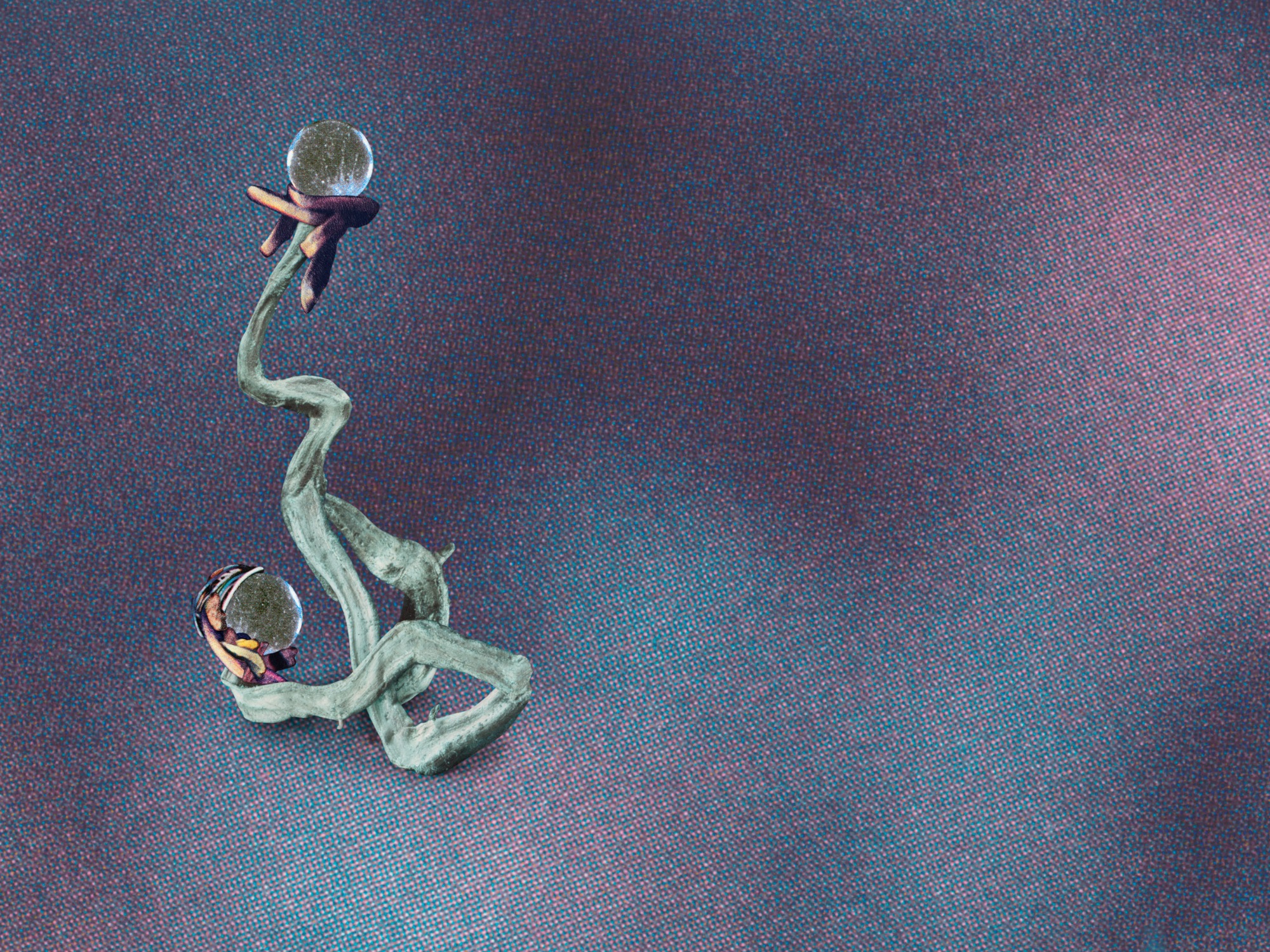
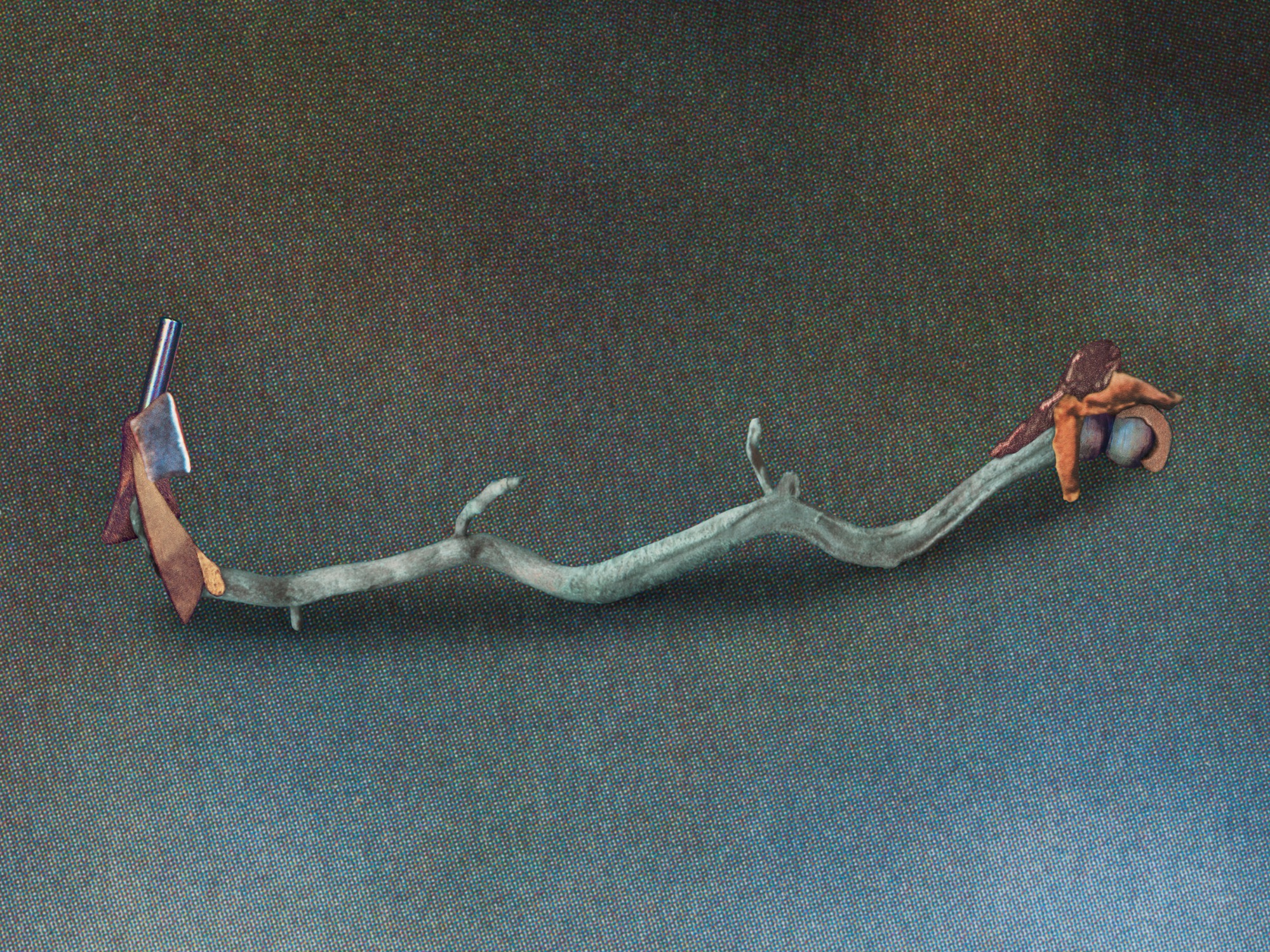
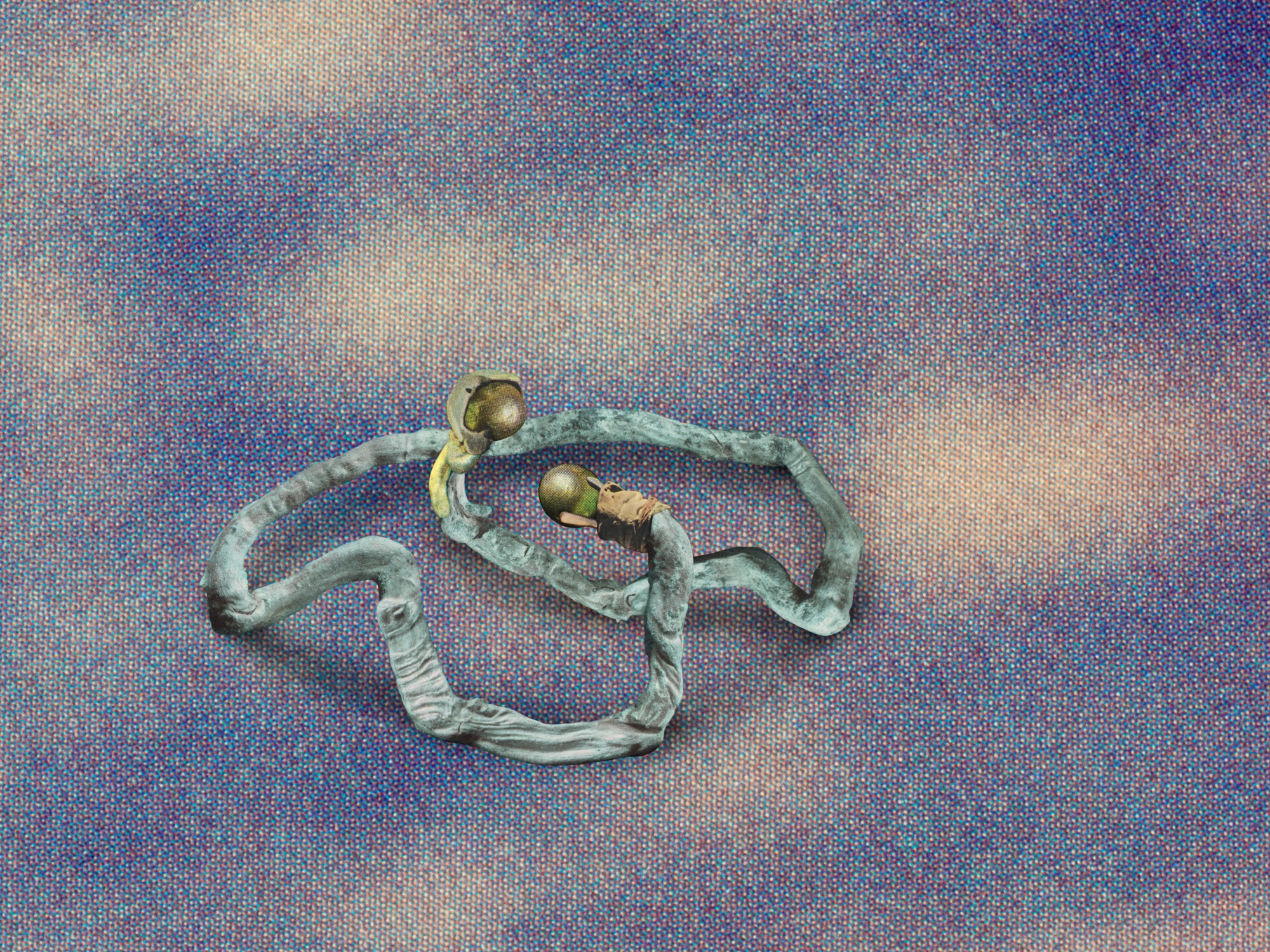
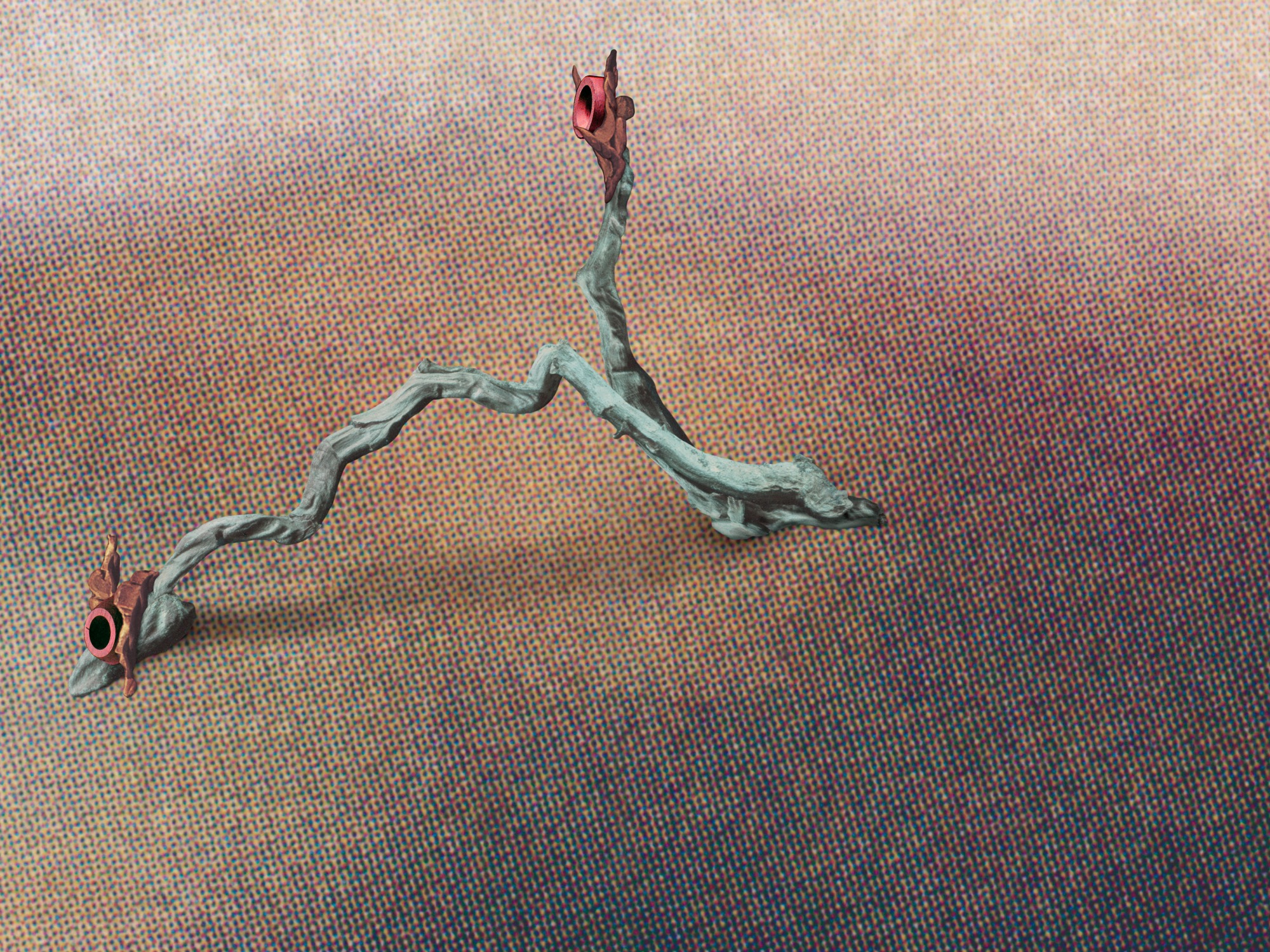
This is where Farber’s work reminds us of dream-work. It does not simply illustrate a new theme; it stages a new logic of the uncanny. Even if classical repression no longer organizes experience in the same way, the uncanny persists—now dispersed across a shifting series of forms, wriggling between artificiality and the visceral body. Farber’s series suggests an open set rather than a single mechanism: what Lacan calls the “serial”[iii], not as a closed typology but as repetition with variation. We might therefore speak of a serial uncanny: an uncanny of iteration, of surface-effects, of proliferating near-identities—less the eruption of hidden depth than the instability of what presents itself as immediately visible.
- pas tout, February 2026
Jesse Farber builds vivid spaces through visual and audio montage. His work has been exhibited throughout the US and Europe, with residencies at Jeckels Gl. Skagen (Denmark), the Islip Museum of Art (New York), Yaddo (New York), and the Atlantic Center for the Arts (Florida). His projects have been featured in WYRD, Aerogramme Center’s Mobile Library, Bait/Switch, Brut, and the White Columns Curated Registry. Through his imprint, Vonconflon, he publishes an ongoing library of zines and cassettes. His sound works have appeared in films, broadcasts, and live events. www.jessefarber.com